I’ve been in quite a few conversations lately where teams were focused on “just being faster”. It’s good to hear these conversations happening in the corporate environment as they look to lessons from their start-up challengers. As much I am a fan of reducing red-tape and increasing throughput, I’ve also come to be caution of teams who want to “just be faster” with very little thought of the direction they want to be moving in. Without a specific and commonly understood goal of where you are going, the risk is that you’ll get pulled by one constraint or another opportunity in a counter-productive direction and end up with a product or service that doesn’t really work for anyone you had intended to serve.
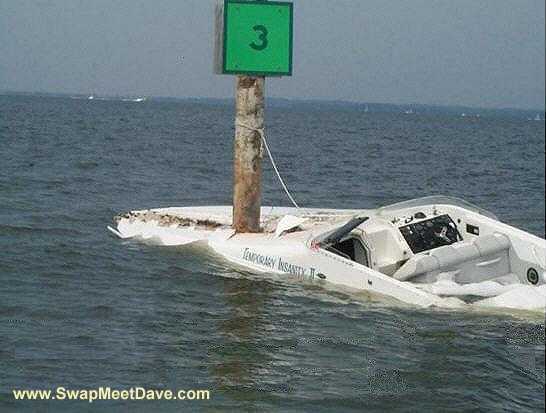
Clearly someone was not paying enough attention to their trajectory …
I was recently reminded of the Mars Climate Orbiter, a probe that NASA had launched in late 1998 to study Mars and it’s atmosphere. With a velocity of 5.5km per second, it’s fair to say that the Orbiter was moving very fast indeed. The problem came with its trajectory, where the slightest misalignment meant that one team was providing calculations in imperial measures and another in metric, sending the Orbiter into Mars’ atmosphere where it disintegrated. It was such a seemingly small detail on which to fall out of alignment, but one that set the Orbiter on its doomed trajectory.
So how do you hold the right trajectory while increasing velocity? In Product Management, we talk about a product’s purpose as its “true north” around which the whole delivery team need to hold alignment. Whenever a new feature or correction is suggested, the first question should be whether it will propel the product towards its purpose or divert it from its course. If it’s the latter, then the feature should be dropped. To make sure the product’s purpose is one that will serve the business well, it needs to be grounded in a deep understanding of the customers’ underlying needs, and well supported by evidence that it is solving a problem that customer will pay to have fixed. All of this understanding should be validated before setting off at speed in developing a new product or service, as moving at great speed without this in place could well see your initiative crash and burn.
There are a lot of tools in the Human Centred Design and Lean toolkits that can help you uncover a product or service’s purpose, and validate solutions before you travel too far along the wrong trajectory. Over the next few weeks I’ll blog a few of my favourites. In the meantime, I’m interested to hear about your own tips for holding to the right trajectory for your product or service.
 Lisa blogs here